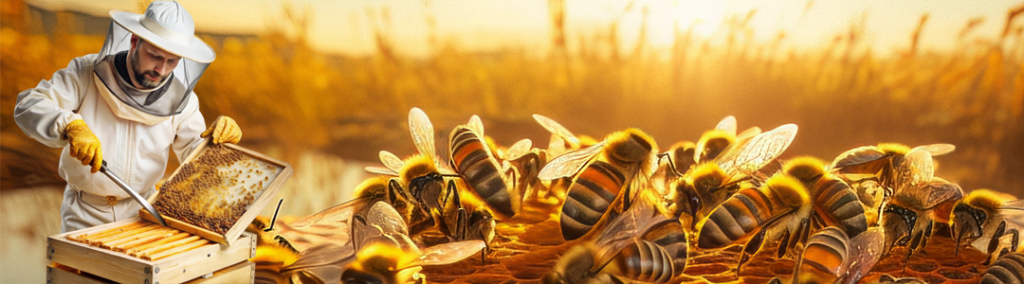
लूटना और उसकी रोकथाम:

लूटना अन्य कॉलोनियों से मधुमक्खियों द्वारा खाद्य भंडार की चोरी करना है।

लूटने का क्या कारण है? 

  1. परीक्षा के दौरान लंबी अवधि के लिए कॉलोनियों का एक्सपोजर।
  2. चीनी की चाशनी या मधुमक्खी पालन के पास इसका रिसाव ।
  3. कमजोर कॉलोनियों को लापरवाही से खिलाना लूटने के दौरान अधिक होता है कमजोर सीजन जब खेत में थोड़ा नेक्टर होता है।

हम डाकू मधुमक्खियों की पहचान कैसे कर सकते हैं?

  1. गार्ड मधुमक्खियों के बार-बार हमले के कारण लुटेरे मधुमक्खियां चिकनी, चमकदार और गहरे रंग की हो जाती हैं।
  2. लूटने वाली मधुमक्खियां आमतौर पर छत्ते के प्रवेश द्वार पर साहसपूर्वक नहीं उतरती हैं और डर के साथ गार्ड मधुमक्खियों का सामना करती हैं।
  3. वे दरारों और दरारों के माध्यम से छत्ते में घुसने की कोशिश करते हैं।

लूट की रोकथाम:

एक चौकस मधुमक्खी पालक के लिए लूटना कोई समस्या नहीं है।

निम्नलिखित सावधानियों की आवश्यकता है:

  • कभी भी शहद के छत्तों को खुला न छोड़ें और कमी की अवधि के दौरान जल्दी से कॉलोनियों की जांच करें।
  •  खिलाने के दौरान मधुमक्खी के पास चीनी की चाशनी के रिसाव से बचें।
  • खिलाते समय कमजोर कॉलोनियों का विशेष ध्यान रखें, क्योंकि इनमें लूट होने की संभावना होती है। 
  • कमजोर कॉलोनियों को एकजुट करके कमजोर कॉलोनियों को मजबूत बनाने का प्रयास करें। ऐसी कॉलोनियों को शाम को खिलाएं।
  • शहद निकालने के बाद शहद के छत्तों को खुला न रखें। इन के छत्तों  को शाम को ही कॉलोनियों में वापस कर दिया जाता है जब  बाहरी गतिविधि बंद हो जाती है।
Robbing
 

लूट पर नियंत्रण: 

यदि सावधानी बरतने के बावजूद लूट प्रचलित है, तो निम्नलिखित तरीके से कॉलोनियों का प्रबंधन करें: 

  • कॉलोनी के प्रवेश द्वार को कम करें और अन्य सभी को बंद करें दरारें और दरारें।
  • लूटी जा रही कॉलोनी के प्रवेश द्वार के सामने गीली घास रखें।
  • छत्ते के प्रवेश द्वार पर कार्बोलिक एसिड या मिट्टी के तेल जैसे विकर्षक का छिड़काव भी लूट को हतोत्साहित करेगा।
  • बुरी तरह से लूटी जा रही कॉलोनियों को प्रवेश को कम करने के बाद मधुशाला में नई साइट पर स्थानांतरित किया जा सकता है और छत्ते के प्रवेश द्वार पर हरी घास फेंकना।

Related Post

  • Bee’s & Flower’s

    There are many types of flower’s in the nature for bee’s. Bee Keeper’s don’t know much about which types of flower’s were used by the bee’s to collect nectar & pollen. We only know little about the flower’s name & variety. In the forest bee’s goes for their food and visiting more then 2,000 flower’s a day in search of nectar & pollen. If we identify some flower’s to useful for them it will be very helpful for bee keeper’s. Bee keeper’s  migrate the bee’s from one place to another place to survival of bee’s and to collect bee products. Recognition of the site and requirements of the bee’s are useful for bee keeper’s. In the video given bellow you can understand about how to…

  • ROYAL JELLY

    HARVESTING OF ROYAL JELLY  Royal Jelly is a milky-white cream & strongly acid, and rich in protein, sugars, vitamins, RNA, DNA, and fatty acids. It is possibly the most valuable product of the hive and numerous, fabulous claims have been made about it. It is the food of queen bee larvae and, by feeding a worker bee larva this substance, she will develop into a Queen rather than a worker. She will be a female bee that can mate a totally different being from the Worker, despite the fact that they start out exactly the same. For humans, Royal Jelly can be used as a food Supplement or as an addition to cosmetics to enhance their curative properties. There are numerous stories about the powers…

  • POLLINATION

    Introduction Pollination is the transfer of pollen grains from the anther to the stigma of the same flower or another flower of the same plant or another plant but of the same species. In other words, pollination is  the mixing of the male and female parts of a flower. Pollination is a vital step in the reproduction of flowering plants and is necessary for all seed and fruit production. Plants require pollen to be transferred from one plant to another and many depend upon insects to do this as they forage. Bees play a vital role in food production and overall agricultural productivity, as pollinators. Pollination Plants require pollen to be transferred from one plant to another to aid reproduction. This transfer of pollen grains…

  • Bee Keeping in Urban Area

    Some may surprised to know why on earth beekeeper would keep bees in a city area. In fact some of best honey comes from city parks and garden and some areas richer in nectar than many areas of the crops countryside. There are main things to think about beekeeping in urban area is neighbours, neighbours and neighbours. If you want bees your neighbours don’t. The neighbours will be scared of bees because many peoples think that honey is produced by nice, bumble bees & so when they see your fast horrid little wasp like things around all over the place, they will not always be pleased or happy about it keep them happy by trying to adhere to the hive placements outlined below and always…

  • Artificial Pollen for Sale

    Hello friends are you a beekeeper and the growth of your bees has stopped because your bees are not getting pollen. You will be happy to know that now you can also feed artificial pollen to bees. You will find artificial pollen to buy from our site. Friends, bees get protein from pollen and carbohydrates from honey. When bees do not get all this from outside, they have to get artificial feeding done. Most of the beekeepers get the feeding of sugar syrup done but are not able to get the feeding of pollen. Artificial pollen has been created to meet this shortcoming so that the bees can be fed in emergency and the growth of your bees can be done. to be saved from…

  • |

    Innovative Bee Nutrition Solutions: Feeding the Future of Beekeeping

    🌼 The Buzz About Bee Health In recent years, beekeepers around the world have faced one overwhelming challenge: keeping their bees alive and thriving. Between environmental stressors, pesticide exposure, and dwindling natural forage, honey bees are struggling to get the nutrients they need. That’s where innovative bee nutrition solutions step in — not just as supplements, but as lifelines for the future of beekeeping. 🍯 Why Nutrition Matters More Than Ever Healthy bees require a balanced diet rich in protein, lipids, and micronutrients—primarily sourced from pollen. But with monoculture farming, climate change, and habitat loss reducing natural floral diversity, bees are often left hungry or malnourished. Poor nutrition = weaker bees = higher colony loss.It’s a simple equation with devastating consequences. 🧪 Pollen Substitutes: A…

4 Comments

Leave a Reply

Your email address will not be published. Required fields are marked *