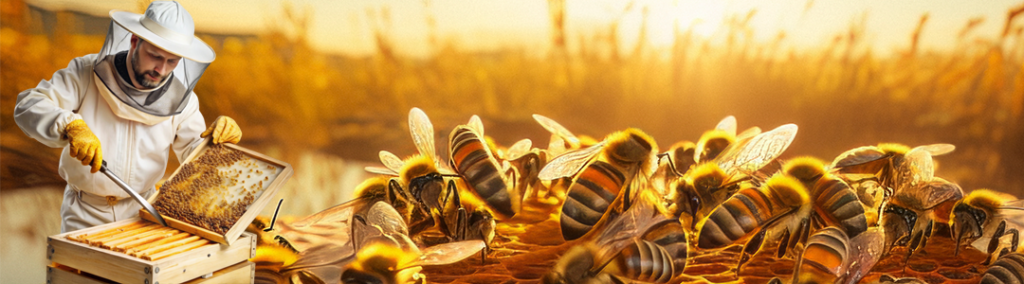
Introduction:

In a world grappling with economic uncertainties, the buzz around beekeeping is becoming more than just a faint hum. This age-old practice isn’t just about honey; it’s increasingly recognized as a viable solution to combat unemployment and create a thriving community. From supporting biodiversity to fostering entrepreneurship, beekeeping offers a host of benefits that can’t be ignored.


A Thriving Biodiversity Hub:

Beekeeping isn’t just about the bees; it’s about nurturing an entire ecosystem. As bees flit from flower to flower, they’re not just pollinating plants, but also helping to sustain a delicate balance in nature. This activity fosters biodiversity, which in turn supports a healthier environment for everyone. Unemployment might seem like a daunting issue, but beekeeping offers a way to be a steward of nature while finding purpose.

Cultivating Green Collar Jobs:

Beekeeping is a multifaceted venture that requires skills ranging from hive management to honey extraction. By embracing beekeeping, individuals can acquire new skills and find employment in a growing industry. From tending hives to marketing bee-related products, these “green collar” jobs not only provide a source of income but also empower people with valuable skills that can be utilized elsewhere.

Small-Scale Entrepreneurship:

Beekeeping isn’t confined to vast landscapes; it can be embraced on a small scale, even in urban areas. This presents an opportunity for aspiring entrepreneurs to establish a micro-business. Selling honey, beeswax products, and even offering beekeeping workshops can be a source of income that not only addresses unemployment but also encourages innovation and community engagement.

Healing Benefits of Beekeeping:

Beyond economic gains, beekeeping offers therapeutic benefits too. The act of caring for bees and connecting with nature has been proven to reduce stress and improve mental well-being. In communities grappling with unemployment, this can be a much-needed silver lining. Beekeeping can foster a sense of purpose and belonging, helping individuals cope with the challenges of joblessness.

Educational and Social Impact:

Beekeeping is a fascinating subject that can captivate people of all ages. Embracing beekeeping can open doors to educational opportunities and community building. Schools can incorporate beekeeping into their curriculum, providing students with hands-on learning experiences. This not only imparts practical knowledge but also instills a sense of responsibility towards the environment.

Conclusions:

In a world where unemployment can often feel like an insurmountable challenge, beekeeping stands as a testament to the power of innovation and community involvement. By engaging with beekeeping, individuals can tap into a world of biodiversity, economic opportunity, and personal growth. As the buzz around beekeeping grows louder, it’s time to recognize its potential to sweeten the lives of those struggling with unemployment.

Bee keeping training by ramjuari


Related Post

  • Functions of the queen bee

    QUEEN BEE Queen Bee is an bee is the mother of the whole colony. She is only female fully fertilized and lays eggs after the matting with drone. She lived in the colony and not going any outside job. Its job is only to produce eggs until her whole life. The all bee’s are females but not capable of laying eggs. The other female which we call worker bee’s are the same as the queen bee but in the process of the development of a queen is different. Queen bee fed by the royal jelly by the workers in the colony. The workers only make queen while they don’t have mother to laying eggs for growth of colony. Function of Queen Bee The queen absence…

  • Difference between honey and nectar?

    Understanding the Sweet Differences: Honey vs. Nectar Nature’s bounty offers a spectrum of delights, from the lush aroma of flowers to the golden sweetness of honey. Often misconstrued as one and the same, honey and nectar hold their own distinct characteristics and roles in the fascinating world of pollination, bees, and sweetness. Origins and Composition: Nectar, the natural sugary liquid produced by flowers, serves as a vital fuel for pollinators, especially bees. This translucent liquid, primarily composed of water and simple sugars like glucose and fructose, entices insects with its sweet allure. Flowers produce nectar in specialized structures called nectaries, strategically placed to attract pollinators and ensure the transfer of pollen. Honey, on the other hand, is a treasure crafted by bees. Through a remarkable…

  • The Sweet Business of Honey: Exploring the Buzz Around Buying and Selling Honey in India

    Introduction In the diverse landscape of India, where cultures, traditions, and flavors blend harmoniously, the age-old practice of beekeeping has found its place as a lucrative venture. The enchanting dance of bees and the golden nectar they produce have not only captivated our senses but also created a buzzing business around honey buying and selling. This article delves into the fascinating world of honey production, consumption, and trade from an Indian perspective. The Cultural Connect Honey holds a special significance in Indian culture and traditions. From being used in religious rituals to having medicinal properties, honey has found its way into the hearts and homes of Indians. Ayurveda, the ancient Indian system of medicine, considers honey as a natural remedy for various ailments. This cultural…

  • Nectar Havens: Exploring the Perfect 5 Locations for Beekeeping Bliss

    Beekeeping isn’t just a hobby; it’s a vital endeavor that contributes to the delicate balance of our ecosystem. Finding the ideal location for your bee apiary is a crucial step in ensuring the health and productivity of your buzzing companions. Join us as we embark on a journey to discover the best locations for beekeeping, where the harmony between nature and these tiny pollinators creates a symphony of sweetness. 1. Blossoming Meadows of Tranquility Imagine a vast expanse of wildflower meadows stretching as far as the eye can see. These undisturbed pockets of nature offer an abundant supply of nectar and pollen, providing bees with a diverse diet and boosting honey production. Nestling your apiary amidst these vibrant meadows ensures your bees have a year-round…

  • मधुमक्खी पालन परिचय

    मधुमक्खी पालन ऐसा शायद कभी नहीं हुआ होगा कि आपके बगीचे में या आपके घर के आसपास कभी कोई मधुमक्खियों ने अपने घर ना बनाया हो। मधुमक्खियां कई प्रकार के फूलों पर बैठ कर उनमें परागण की क्रिया द्वारा लाभ पहुंचाती हैं। खासकर जैसे सेब के फूलों पर या अन्य कई प्रकार की फसलों पर इनके द्वारा परागण किया जाता है। बहुत सारा भोजन जो हम प्रतिदिन आहार के रूप में लेते हैं उनका उत्पादन केवल मधुमक्खियों के परागण द्वारा ही सम्भव हो पाता है। इसलिए मधुमक्खियां फूलों से ना केवल शहद उत्त्पादन करती हैं बल्कि परागण द्वारा हमें भोजन के रूप में भी लाभ पहुंचाती हैं। मधुमक्खियां ज्यादातर जंगली फूलों पर बैठना ज्यादा पसंद करती हैं और बहुत सारे कीट पक्षी और  जानवर जो…

  • Little Beebox for queen Making 5 Reasons

    Hi friends, In Beekeeping some boxes are very small because that boxes are made for creating new Bees. In India and other countries Bee Keeper Make queen in a very small Boxes for Bees to create new Queen. Small boxes can hold 3 to 5 frames. Because in a large box of 10 Frame, the more bees Are required to create new Queen bee in the hive.  If any Bee Keeper Wants to create a new Queen bee then one needs to buy some small boxes. Bees are very small and intelligent, Creatures. If you take care of them then they will be very helpful for you to get Honey as well as the Pollination. These are good pollinators. They increase the crops. Many of the…

Leave a Reply