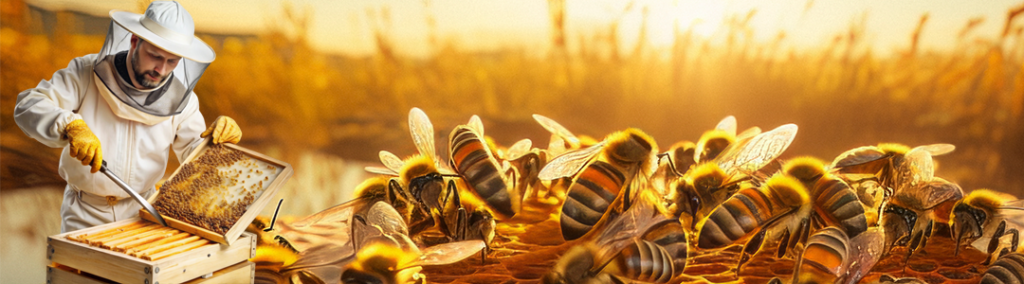
मधुमक्खी पालन

ऐसा शायद कभी नहीं हुआ होगा कि आपके बगीचे में या आपके घर के आसपास कभी कोई मधुमक्खियों ने अपने घर ना बनाया हो। मधुमक्खियां कई प्रकार के फूलों पर बैठ कर उनमें परागण की क्रिया द्वारा लाभ पहुंचाती हैं। खासकर जैसे सेब के फूलों पर या अन्य कई प्रकार की फसलों पर इनके द्वारा परागण किया जाता है।

बहुत सारा भोजन जो हम प्रतिदिन आहार के रूप में लेते हैं उनका उत्पादन केवल मधुमक्खियों के परागण द्वारा ही सम्भव हो पाता है। इसलिए मधुमक्खियां फूलों से ना केवल शहद उत्त्पादन करती हैं बल्कि परागण द्वारा हमें भोजन के रूप में भी लाभ पहुंचाती हैं।

मधुमक्खियां ज्यादातर जंगली फूलों पर बैठना ज्यादा पसंद करती हैं और बहुत सारे कीट पक्षी और  जानवर जो फूलों द्वारा अपना भोजन प्राप्त करते हैं उनके लिए मधुमक्खियों का बहुत अधिक महत्त्व होता है यदि मधुमक्खियां परागण ना करें तो इनको भोजन ना मिलने के कारन जीवन खतरे में पड़ सकता है।

मधुमक्खी पालन मुख्य रूप से दो कारणों से मधुमक्खी पालकों के लिए उपयोगी है एक इसकी तेजी से परिवार बढ़ाने की गति में कमी, दूसरे इनसे मिलने वाले लाभ। आजकल मधुमक्खियों में बहुत सी कमी देखने को मिलती है जो कि पर्यावरण व जीवन के लिए खतरा है। इसलिए मधुमक्खियों को बचाने के लिए भी इनकी और ज्यादा ध्यान देने कि आवश्यकता है।

इसलिए आप भी चाहें तो मधुमक्खियों को अपने गार्डन या बैकयार्ड में रख सकते हैं पर इसके लिए आपको बहुत सी जानकारी चाहिए होती है जो कि इस काम में जरुरी चाहिए ताकि आप इसे अच्छी प्रकार से कर सकें।

आपको अधिक जानकारी देने के लिए आप हमारी वेब साइट के साथ जुड़ें व हमारे चैनल को सब्सक्राइब करें।

और अधिक जानने के लिए यहाँ क्लिक करें 


Bees in the nest


Related Post

  • Bee Keeping tips for successful bee keepers

    Bee Keepers always find the way that how they become more successful in their occupation. There are always challenges in this field. Are the finding better location for their apiary or struggling with the diseases in the bee’s its always hard to remain away from the bee keeping problems. So we always finding the best way to safe and successful bee keeping tips we are describing here. Learn and use best practices Choose best place for migration of bee’s When you looking for the better placement of the bee’s and your apiary need the food and water with secure atmosphere so you need to search a better place. If your location is not good and the bee’s don’t have the food and fresh water then…

  • Beekeeping: A Sweet Solution to Unemployment Woes

    Introduction: In a world grappling with economic uncertainties, the buzz around beekeeping is becoming more than just a faint hum. This age-old practice isn’t just about honey; it’s increasingly recognized as a viable solution to combat unemployment and create a thriving community. From supporting biodiversity to fostering entrepreneurship, beekeeping offers a host of benefits that can’t be ignored. A Thriving Biodiversity Hub: Beekeeping isn’t just about the bees; it’s about nurturing an entire ecosystem. As bees flit from flower to flower, they’re not just pollinating plants, but also helping to sustain a delicate balance in nature. This activity fosters biodiversity, which in turn supports a healthier environment for everyone. Unemployment might seem like a daunting issue, but beekeeping offers a way to be a steward…

  • |

    Beekeeping in 2026–2027: Global Trends, India’s Sweet Revolution & How Beekeepers Can Thrive

    Beekeeping in 2026–2027: Global Trends, India’s Sweet Revolution & How Beekeepers Can Thrive Introduction:Beekeeping is no longer a quiet hobby — it’s a growing global movement touching environmental sustainability, rural livelihoods, food security, and technology. In 2026–2027, beekeeping has surged worldwide due to innovations in hive technology, rising honey demand, government support schemes, and pressing ecological concerns. In India, this trend is particularly strong, with rapid production growth, new export records, and transformative schemes like the National Beekeeping and Honey Mission (NBHM) changing the apiary landscape. (Social News XYZ) In this in-depth post, we explore: Let’s buzz into the future of beekeeping. 🐝 🌱 1. The Global Beekeeping Trend: What’s Hot in 2026 Beekeeping trends worldwide are shaped by technology, sustainability, and market demand. Today’s…

  • Nectar Havens: Exploring the Perfect 5 Locations for Beekeeping Bliss

    Beekeeping isn’t just a hobby; it’s a vital endeavor that contributes to the delicate balance of our ecosystem. Finding the ideal location for your bee apiary is a crucial step in ensuring the health and productivity of your buzzing companions. Join us as we embark on a journey to discover the best locations for beekeeping, where the harmony between nature and these tiny pollinators creates a symphony of sweetness. 1. Blossoming Meadows of Tranquility Imagine a vast expanse of wildflower meadows stretching as far as the eye can see. These undisturbed pockets of nature offer an abundant supply of nectar and pollen, providing bees with a diverse diet and boosting honey production. Nestling your apiary amidst these vibrant meadows ensures your bees have a year-round…

  • Functions of the queen bee

    QUEEN BEE Queen Bee is an bee is the mother of the whole colony. She is only female fully fertilized and lays eggs after the matting with drone. She lived in the colony and not going any outside job. Its job is only to produce eggs until her whole life. The all bee’s are females but not capable of laying eggs. The other female which we call worker bee’s are the same as the queen bee but in the process of the development of a queen is different. Queen bee fed by the royal jelly by the workers in the colony. The workers only make queen while they don’t have mother to laying eggs for growth of colony. Function of Queen Bee The queen absence…

  • Difference between honey and nectar?

    Understanding the Sweet Differences: Honey vs. Nectar Nature’s bounty offers a spectrum of delights, from the lush aroma of flowers to the golden sweetness of honey. Often misconstrued as one and the same, honey and nectar hold their own distinct characteristics and roles in the fascinating world of pollination, bees, and sweetness. Origins and Composition: Nectar, the natural sugary liquid produced by flowers, serves as a vital fuel for pollinators, especially bees. This translucent liquid, primarily composed of water and simple sugars like glucose and fructose, entices insects with its sweet allure. Flowers produce nectar in specialized structures called nectaries, strategically placed to attract pollinators and ensure the transfer of pollen. Honey, on the other hand, is a treasure crafted by bees. Through a remarkable…

Leave a Reply

Your email address will not be published. Required fields are marked *