
Beekeeping in 2026–2027: Global Trends, India’s Sweet Revolution & How Beekeepers Can Thrive

Introduction:
Beekeeping is no longer a quiet hobby — it’s a growing global movement touching environmental sustainability, rural livelihoods, food security, and technology. In 2026–2027, beekeeping has surged worldwide due to innovations in hive technology, rising honey demand, government support schemes, and pressing ecological concerns. In India, this trend is particularly strong, with rapid production growth, new export records, and transformative schemes like the National Beekeeping and Honey Mission (NBHM) changing the apiary landscape. (Social News XYZ)
In this in-depth post, we explore:
- 🔹 Global beekeeping trends
- 🔹 India’s beekeeping boom
- 🔹 Tech and sustainability in modern apiculture
- 🔹 Practical tips for beekeepers
- 🔹 Why your next visit should be to beekeepingindia.in
Let’s buzz into the future of beekeeping. 🐝
🌱 1. The Global Beekeeping Trend: What’s Hot in 2026
Beekeeping trends worldwide are shaped by technology, sustainability, and market demand. Today’s top themes include:
🔹 Smart Beekeeping and Precision Monitoring
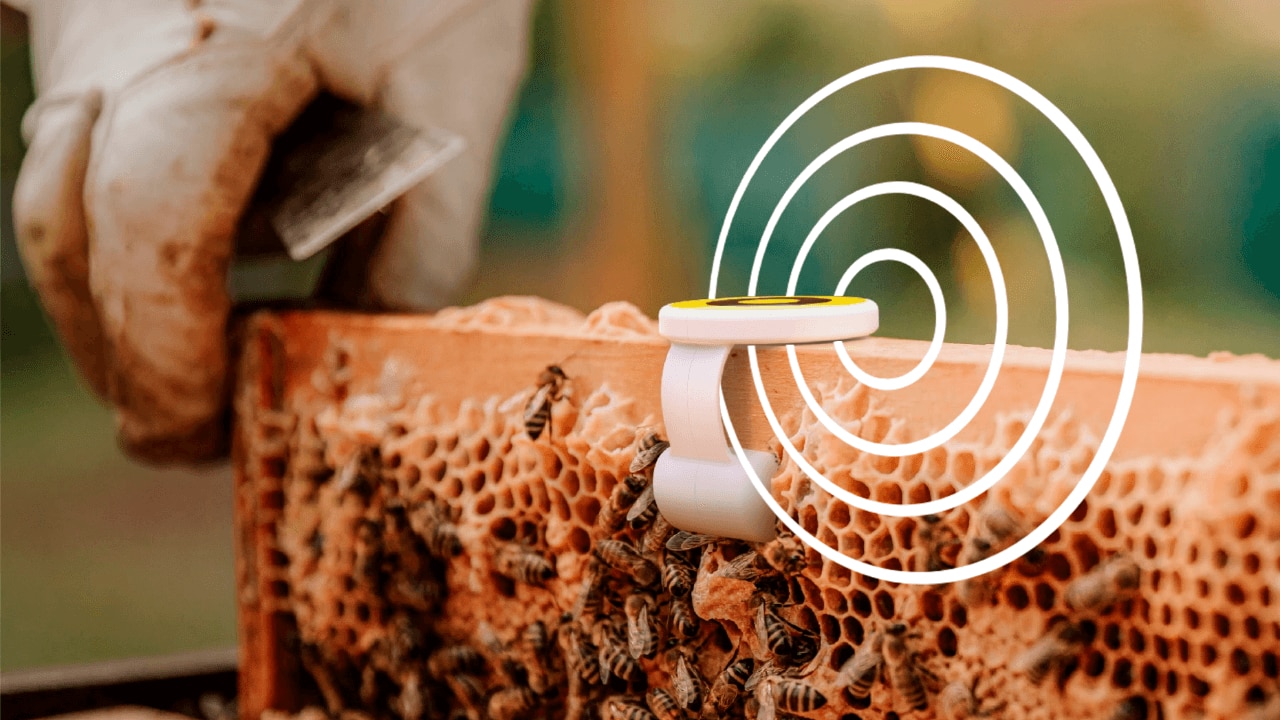
Traditional beekeeping is being augmented with sensors, IoT systems, and AI that help monitor hive health, temperature, humidity, activity, and environmental data — often remotely from a smartphone. Smart hives can alert beekeepers early to disease, swarming behavior, or queen issues. (Farm Bureau Financial Services)
These tools are part of a broader movement called precision beekeeping, where data drives decisions just like precision agriculture. (Wikipedia)
🔹 Sustainability and Pollinator Health
Beekeeping’s ecological role has become even more critical, as agriculture and food crops depend on bees for pollination. Responsible beekeeping practices that protect bee health — such as habitat restoration, planting pollinator gardens, and limiting chemicals — are trending among both hobbyists and professional apiaries. (Claight Corp)
🔹 Urban Beekeeping Boom
City rooftops and balconies now host thriving beehives, introducing honey production to urban communities and enhancing local biodiversity. This trend isn’t just in Europe and the U.S. — urban beekeepers are also emerging in major Indian cities. (beekeepingindia.in)
🔹 Honey Quality & Adulteration Awareness
Consumers demand authentic, traceable honey. Around the world, research shows a rise in adulteration concerns, meaning more emphasis on testing, certification, and traceability in honey markets. (ScienceDirect)
🇮🇳 2. India’s Beekeeping Revolution
🍯 From Tradition to Major Exporter
India has seen remarkable growth in beekeeping activity — from generating rural livelihoods to becoming a major player in the global honey market. Recent reports show India emerging as the 2nd largest honey exporter in the world. (Social News XYZ)
This “sweet revolution” has been driven by:
- Government support through NBHM: This mission aims to promote scientific beekeeping practices, improve marketing and value addition, and increase tech adoption. (Acqias)
- Increased honey production: India’s honey outputs have surged by over 60% in the last decade. (Usthadian)
- More quality testing labs: Seven honey testing laboratories across India help ensure product standards and consumer trust. (Hindustan Times)
📈 Beekeepers today are benefiting from:
- Higher honey yields
- Global export opportunities
- Collective marketing via FPOs
- New queen breeding and hybrid bee programs
- Tech-assisted hive management
To learn more about these topics and get tips for managing your own apiary, visit beekeepingindia.in — your trusted beekeeping knowledge hub.
🐝 3. Challenges Facing Beekeepers & How to Overcome Them
While the outlook is positive, beekeepers face real challenges, including:
🪲 Invasive Pests
The Small Hive Beetle (SHB) — notorious for damaging colonies — has been detected in parts of India like West Bengal, posing a threat to honey bees and productivity. (The Times of India)
Tip:
› Implement regular hive inspections
› Maintain clean equipment
› Use traps and approved biological controls
🌡 Climate and Nutrition Stress
Climate change affects forage patterns and floral resources. Adaptive beekeeping — planting flowering strips or using supplemental feed — can help colonies thrive even in tough seasons.
🍬 Honey Adulteration
Ensuring honey quality is crucial not just for consumer trust but for export standards.
Visit beekeepingindia.in/honey-quality-testing for guides on how to test and certify honey.
🧑🌾 4. Top 2026–2027 Beekeeping Trends Every Beekeeper Should Know
1️⃣ Technology Integration in Apiaries
Smart hive monitoring systems, such as BuzzBox and Flow Hive, allow real-time data collection and easier harvests. (Farm Bureau Financial Services)
2️⃣ Precision Beekeeping
As mentioned, precision beekeeping uses data analytics and sensors to manage colonies more effectively with minimal stress to bees. (Wikipedia)
3️⃣ Stingless Bee Projects
India is seeing innovative projects like stingless bee villages that empower tribal communities and generate high-value honey. (The Times of India)
4️⃣ Local Floral Honey Branding
Beekeepers are branding honey based on its floral source (e.g., Valley Wildflower, Mustard Blossom), attracting premium markets.
5️⃣ Youth & Urban Participation
Young farmers and city dwellers are joining beekeeping communities, often leveraging social media trends and online sales platforms.
📌 5. Practical Tips for Beekeepers in 2026
Whether you’re just starting or have years of experience, these practical tips will help:
🐝 Choose the Right Bee Strain
In India, local varieties like Apis cerana indica are resilient in native climates, but many beekeepers also rear Apis mellifera for higher honey yield.
🧰 Get the Right Equipment
Langstroth hives remain standard, but consider smart hive tools and sensors for better colony management.
📅 Follow Seasonal Care
Know your beekeeping calendar — from spring buildup to winter feeding — for optimal results.
📈 Join Beekeeping Communities
Networking helps share tips, sources of queens, mentors, and market contacts. beekeepingindia.in/forum is a great place to start.
🥇 Value-Added Products
Don’t just sell honey — expand into beeswax candles, royal jelly, pollen, propolis products, and honey cosmetics.
🐝 6. Your Apiary’s Roadmap: From Beginner to Pro
Beekeeping success comes from:
| Stage | Key Focus |
|---|---|
| Beginner | Hive setup, bee behavior, basic inspections |
| Intermediate | Disease control, seasonal management |
| Advanced | Smart tech integration, branding & export |
For detailed guides — from hive diagrams to seasonal checklists — explore beekeepingindia.in.
🧠 7. FAQs Beekeepers Are Searching for in 2026
Q: How do I start beekeeping in India?
A: Begin with a good mentor, basic equipment, protective gear, and choosing a suitable bee species.
Q: What’s the difference between hive types?
A: Langstroth is most common, while top-bar and traditional hives suit certain climates and purposes.
Q: How can I increase honey production?
A: Good forage sources, pest control, season-specific feeding, and regular inspections are key.
For full FAQs written by experts, visit beekeepingindia.in/beekeeping-faq.
🐝 Final Buzz
Beekeeping in 2025–2026 transcends hobby and commerce — it’s a movement linked to environment, economy, tech, and food security. From India’s booming exports to smart hive sensors and community beekeeping projects, this is the best time to be a beekeeper.
Visit beekeepingindia.in regularly for the latest trends, practical guides, expert tips, and a community that truly buzzes — just like your hives! 🚀🐝
One Comment
Comments are closed.