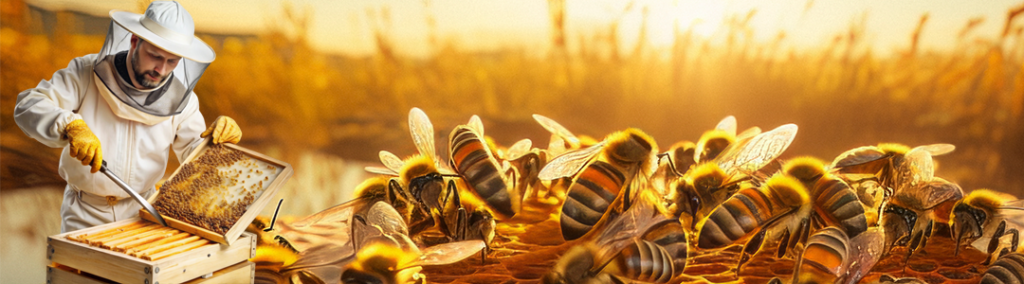
वैज्ञानिक मधुमक्खी पालन

मधुमक्खियों के प्रबंधन और देखभाल की एक ऐसी विधि है जो आधुनिक विज्ञान, अनुसंधान और प्रौद्योगिकी पर आधारित है। इसका उद्देश्य प्राकृतिक संसाधनों का सही उपयोग करके मधुमक्खियों की उत्पादकता को बढ़ाना और उनके स्वास्थ्य को बेहतर बनाना है।

इसमें पारंपरिक मधुमक्खी पालन से अलग आधुनिक तकनीकों का उपयोग किया जाता है, जैसे:

मधुमक्खी के प्रकार का चयन: स्थानीय और उन्नत प्रजातियों का चुनाव ताकि बेहतर शहद उत्पादन और रोग प्रतिरोधक क्षमता सुनिश्चित हो।

हाइव मैनेजमेंट: आधुनिक लकड़ी के बॉक्स (Langstroth हाइव) का उपयोग किया जाता है, जो मधुमक्खियों को बेहतर सुरक्षा और आराम देता है।

रोग और कीट प्रबंधन: वैज्ञानिक तरीके से मधुमक्खियों में होने वाले रोगों (जैसे वरुआ माइट) और कीटों का प्रबंधन।

फूलों और पौधों का प्रबंधन: मधुमक्खियों के लिए पराग और अमृत प्रदान करने वाले पौधों की खेती।

शहद की गुणवत्ता और प्रसंस्करण: उच्च गुणवत्ता वाले शहद उत्पादन के लिए स्वच्छता और मानकों का पालन।

वैज्ञानिक मधुमक्खी पालन न केवल किसानों और ग्रामीणों को आर्थिक लाभ प्रदान करता है, बल्कि पर्यावरण संतुलन बनाए रखने में भी मदद करता है। यह प्रक्रिया परागण में सुधार कर कृषि उत्पादन बढ़ाने और जैव विविधता को संरक्षित करने में भी महत्वपूर्ण भूमिका निभाती है।


Related Post

  • History of Bee Keeping

    The Beekeeping is an ancient art that has fascinated its devotees since earliest times. Honey robbed from wild colonies in trees & caves was early people’s main source of sweet food. Dominance of honey  the major sweetener continued until cane and beet sugar became generally available in comparatively recent times. Honey with its unique flavors and aromas and natural origin still has wide appeal. World production was estimated at 1,446 million pounds in 1976 and more than 1,415 million pounds in 1977. In the United States about 200,000 people keep almost 5 million colonies and produce 200 million to 250 million pounds of honey annually. Beekeepers can be classified as full-time, sideline, or hobbyist, with the number of colonies operated by individual owners varying from one…

  • How to divide a New Bee Colony

     किसी मौजूदा कॉलोनी को कैसे विभाजित करें अपनी कॉलोनियों को बढ़ाने और डिवीजन बनाने के लिए मजबूत, उत्पादक और बिना रक्षात्मक कॉलोनी चुनें। शहद के मौसम के दौरान विभाजन करने से बचें क्योंकि यह उत्पादित होने वाले धन (शहद) की मात्रा को कम कर देगा। फूलों के मौसम की शुरुआत और चरम के बीच, मजबूत कॉलोनियां अचानक प्रवेश द्वार के पास मधुमक्खियों के समूहों और ड्रोन की संख्या बढ़ जाती है जिससे आपकी मजबूत कॉलोनी का पता चलता है इसलिए चेक करें की अगर कॉलोनी स्वार्म करने की तैयारी कर रही हैं तो वह डिवीज़न के लिए उपयुक्त समय है। जब शहद की मात्रा अधिक हो और मधुमक्खियां रानी मधुमक्खियों के सेल्स बनाने लगें तब ये सभी लक्षण हैं जब आपको डिवीज़न करना चाहिए।मधुमक्खियों का…

  • Bee’s & Flower’s

    There are many types of flower’s in the nature for bee’s. Bee Keeper’s don’t know much about which types of flower’s were used by the bee’s to collect nectar & pollen. We only know little about the flower’s name & variety. In the forest bee’s goes for their food and visiting more then 2,000 flower’s a day in search of nectar & pollen. If we identify some flower’s to useful for them it will be very helpful for bee keeper’s. Bee keeper’s  migrate the bee’s from one place to another place to survival of bee’s and to collect bee products. Recognition of the site and requirements of the bee’s are useful for bee keeper’s. In the video given bellow you can understand about how to…

  • Bee Keeping in Urban Area

    Some may surprised to know why on earth beekeeper would keep bees in a city area. In fact some of best honey comes from city parks and garden and some areas richer in nectar than many areas of the crops countryside. There are main things to think about beekeeping in urban area is neighbours, neighbours and neighbours. If you want bees your neighbours don’t. The neighbours will be scared of bees because many peoples think that honey is produced by nice, bumble bees & so when they see your fast horrid little wasp like things around all over the place, they will not always be pleased or happy about it keep them happy by trying to adhere to the hive placements outlined below and always…

  • भारत में बाजरा पोलीनेशन

     नमस्कार साथियों,       मधुमक्खी पालकों के लिए बाजरे की फसल पोलीनेशन के लिए तैयार है जिन साथियों को बाजरे में अपनी  मधुमाक्खियों को ले कर जाना है वो साथी अपनी जगह को तलाश कर आप सब अपनी मधुमाक्खियों को बढ़ा सकते हैं। बाजरा की फसल उत्तरी भारत के कई इलाकों में पाई जाती हैं। मानचित्र में दिखाया गया है कि भारत में बाजरा किन किन राज्यों में पाया जाता है। जिन साथियों को ओर अधिक जानकारी चाहिए वो हमसे संपर्क कर सकते हैं या हमारी वेबसाइट पर जल्दी ही आपको हर मौसम में कौन कौन से फूल कौन कौन सी जगह उपलब्ध होते हैं इसकी जानकारी उपलब्ध करवाई जाएगी। जो साथी मधुमक्खी पालन कर रहे हैं या करना चाहते हैं उनको हमारी वेबसाइट…

  • Strange fact About Bee’s

    Honey-bees can navigate using the position of the sun, polarized light and landmarks. They can ‘tell’ other bees about the distance and bearing to sources of food using a well developed symbolic language based on movement and sound. They can also regulate the temperature of the nest to an exact degree using heating and cooling systems of immense complexity. As long as it has water and food, a colony placed on the sides of a volcano or iceberg will maintain its brood nest at 34º C (93º F). It is these facets of the honey-bee’s ability that have caused it to be one of the most researched insects on earth, and all countries maintain at least one institute devoted to bee research, and many universities…

6 Comments

Leave a Reply

Your email address will not be published. Required fields are marked *