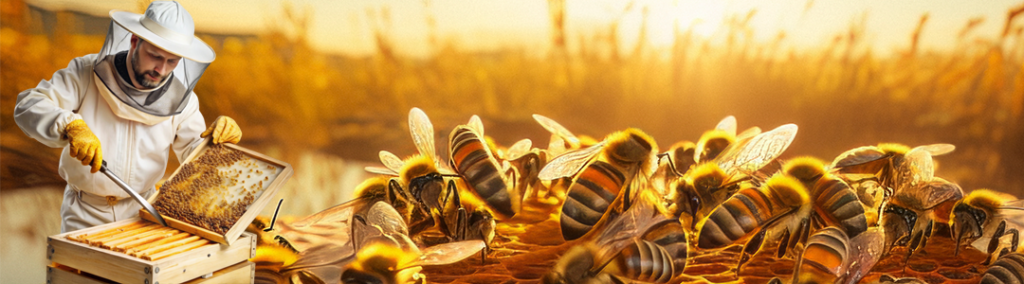
मधुमक्खी पालन में आने वाली कठिनाइयाँ

मधुमक्खी पालन एक बेहद फायदेमंद लेकिन चुनौतीपूर्ण काम है। शुरुआत में कई कठिनाइयाँ आ सकती हैं, जैसे:


1. मौसम का प्रभाव: मधुमक्खियों के लिए सही मौसम का होना बहुत जरूरी है। अधिक ठंड या अधिक गर्मी से मधुमक्खियाँ कमजोर हो सकती हैं।

2. रोग और कीट: मधुमक्खियों पर वारोआ माइट्स और दूसरी बीमारियों का खतरा हमेशा बना रहता है। इनका समय पर इलाज करना जरूरी है।

3. फूलों की कमी: मधुमक्खियाँ शहद बनाने के लिए फूलों का रस इकट्ठा करती हैं। अगर आसपास फूलों की कमी हो, तो शहद उत्पादन पर असर पड़ता है।

4. छत्ते की सुरक्षा: छत्तों को चोरों, बंदरों और दूसरे जानवरों से बचाना भी एक बड़ी चुनौती हो सकती है।

5. शुरुआती जानकारी की कमी: कई बार सही जानकारी न होने की वजह से मधुमक्खी पालन में नुकसान हो सकता है।

इन सभी समस्याओं का हल सही जानकारी और धैर्य से निकाला जा सकता है।


Related Post

  • Sunflower for Bee’s

    In the month April in northern India Haryana and punjab growing the Sunflower for oil. These states and some other states Karnataka, Maharashtra, Orissa, Bihar etc. are the measure states with sunflower growing. The bee keepers who is interested in Sunflower crops looking for honey and pollen can choose the better place for them. Sunflower is full of nectar and pollen. Bees growing very fast in these days. In the summer in some areas there is not good condition. Post Views: 162

  • Social Behaviour of Honey Bee’s

    Among different insect orders, only 8 have been recognized by insect taxonomists which have some communal life. Out of these 8 orders only two orders viz. Isoptera and Hymenoptera have well developed social organization. Even in Hymenoptera, only two families namely Halictidae and Apidae of superfamily Apoidea contain fully social species. Most of other bees live solitary life. Social behaviour Honey bees are among the fully social insects having overlap of many generations in the same nest. The colony is a well organized social group having division of labour in terms of laying of eggs, nursing, comb building, guarding, food collection and its storage. They have well developed communication system through different types of dances as well as trophallaxis. Biological communication can be defined as…

  • वैज्ञानिक मधुमक्खी पालन 2025: आधुनिक तकनीकें, चुनौतियाँ और बेहतरीन टिप्स

    परिचय भारत में मधुमक्खी पालन केवल शहद उत्पादन का साधन नहीं रहा — यह आज एक वैज्ञानिक, लाभकारी और पर्यावरण-अनुकूल व्यवसाय बन चुका है। आधुनिक तकनीकें, उपकरण और अनुसंधान ने पारंपरिक पद्धतियों को बदल दिया है।2025 में अगर आप अपने शहद उत्पादन को बढ़ाना और कॉलोनी को स्वस्थ रखना चाहते हैं, तो “वैज्ञानिक मधुमक्खी पालन” की समझ और सही अभ्यास आवश्यक है। इस में हम सीखेंगे — वैज्ञानिक मधुमक्खी पालन क्या है? “वैज्ञानिक मधुमक्खी पालन” (Scientific Beekeeping) वह प्रक्रिया है जिसमें छत्ते के प्रबंधन, रानी मधुमक्खी चयन, परागण, रोग-नियंत्रण और उत्पादन की प्रत्येक गतिविधि डेटा, पर्यावरणीय स्थिति और व्यवहारिक अवलोकन पर आधारित होती है। पारंपरिक बनाम वैज्ञानिक मधुमक्खी पालन तुलना पारंपरिक तरीका वैज्ञानिक तरीका अवलोकन अनुमान पर आधारित डेटा और निरीक्षण आधारित प्रबंधन अनुभव से…

  • |

    परागण (Pollination) क्या होता है? 4 मुख्य भूमिकाएं

    परागण एक प्राकृतिक प्रक्रिया है जिसमें पौधों के नर भाग (पुंकेसर) से पराग कण (pollen grains) पौधों के मादा भाग (अंडाशय) तक पहुँचते हैं। यह प्रक्रिया पौधों के प्रजनन के लिए आवश्यक है, जिससे फल, बीज और नए पौधे उत्पन्न होते हैं। मधुमक्खियों की परागण में भूमिका: मधुमक्खियां परागण में सबसे महत्वपूर्ण परागणकर्ता (pollinators) मानी जाती हैं। उनकी भूमिका इस प्रकार है: 1. फूलों से पराग कण इकट्ठा करना: मधुमक्खियां फूलों से पराग और मधुरस (nectar) इकट्ठा करती हैं। इस प्रक्रिया में पराग उनके शरीर से चिपक जाता है। 2. फूलों के बीच पराग का स्थानांतरण: जब मधुमक्खी एक फूल से दूसरे फूल पर जाती है, तो वह पराग कण को मादा भाग (स्त्रीकेसर) तक पहुँचा देती है, जिससे निषेचन (fertilization) होता है। 3. पौधों…

  • Export of Artificial Pollen from India

    Hi friends, We are a producers of good quality of Artificial Pollen from India. We export the pollen for feeding bees in the world. This facility is for the support of the Bee Keepers in the world to help them to feed bees in the dearth period. Bees are very needy during the dearth period to consume pollen to grow the generation. Bee’s collect the natural pollen from the flowers to feed the larva and baby bee’s in the colony. In the dearth period bee’s unable to find the pollen from the flower’s because of flowers don’t exist in the nature always. The result is slowing the growth of the bee’s. The queen stop egging because of the low food resource outside for the foragers….

  • How many days to make honey in Honeycomb?

    Knowing when to harvest Honey can be extracted when it has been capped over by the bees on the comb. At this stage, the honey will have been ‘matured’ by the bees, sealed up and is ready to eat. Often, when you want to remove the honey, not all will have been sealed. I always use a rule of thumb here if three quarters of the honey is sealed, I am happy to remove it from the hive. This is an important point. If you extract honey that has not been sealed, the water content will inevitably be too high, and the honey will ferment in storage and explode if sealed in a jar or tank. It will also taste foul if this happens. You…

6 Comments

  1. Thank you for the good writeup. It in fact was a amusement account it.

    Look advanced to more added agreeable from you! By the way, how could we communicate?
    xnxx

Leave a Reply

Your email address will not be published. Required fields are marked *