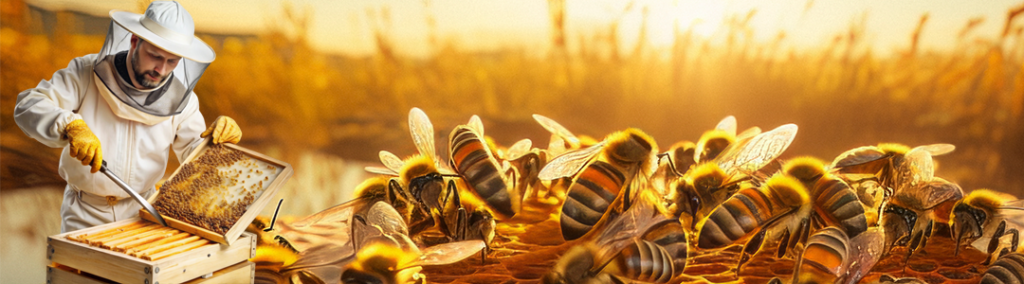
मधुमक्खी पालन के काम की बहुत सी खूबियां होती हैं जिन्हे जानना आवश्यक होता है । इस काम में आपको हमेशा उनके पीछे लगे रहने की जरुरत नहीं रहती, ऐसा और जीवो के साथ हो सकता है कि आपको उनका ध्यान २४ घंटे रखना पड़ता हो पर मधुमक्खी पालन में आपको हर दिन देखना जरुरी नहीं होता अगर आप ७ दिन में एक बार या जब शहद हार्वेस्टिंग का टाइम होता है तब भी विजिट करते हो तब भी कोई प्रॉब्लम नहीं होती ।

आप को हार्वेस्टिंग टाइम या फीडिंग के समय ज्यादा ध्यान रखना होता है सर्दियों में भी आप सब का काम समय लगता है और आप को केवल देखभाल करनी होती है ।

थोड़ा समय दे कर आप चाहें तो इसे पार्ट टाइम भी कर सकते हो । इसका मतलब ये बिलकुल नहीं है कि आप इस और बिलकुल से बे फ़िक्र हो जाओ । आपको उनकी हर जरुरत का ध्यान भी रखना है कि कब उन्हें फीडिंग करवानी है कब उनमें छत्तों कि जरुरत है या कब शहद निकलना है । आप अगर उनका ख्याल रखेंगे तो आपको उनसे शहद भी मिलेगा पर अगर आप खाली शहद लेना चाहोगे तो आपकी मधुमक्खियां भी नहीं बचेंगी इसलिए ध्यान रहे कि आपको उनको पूरा ध्यान भी रखना है सही समय पे देखभाल करनी है । सही समय कब है किस प्रकार से आपको ध्यान रखना है ये आप को कुछ समय उनके साथ बिताने के बाद खुद ही पता चल जाएगा । इसलिए उन्हें समझें जानें कि उन्हें कब क्या चाहिए फिर वो भी आपको खुश रखेंगी।

For Training please contact us 

Related Post

  • Bee’s & Flower’s

    There are many types of flower’s in the nature for bee’s. Bee Keeper’s don’t know much about which types of flower’s were used by the bee’s to collect nectar & pollen. We only know little about the flower’s name & variety. In the forest bee’s goes for their food and visiting more then 2,000 flower’s a day in search of nectar & pollen. If we identify some flower’s to useful for them it will be very helpful for bee keeper’s. Bee keeper’s  migrate the bee’s from one place to another place to survival of bee’s and to collect bee products. Recognition of the site and requirements of the bee’s are useful for bee keeper’s. In the video given bellow you can understand about how to…

  • Bee Keeping in City

    Bee Keeping Urban Area If you want start bee keeping in city or Urban Area it’s good idea but you need to know something before taking decision. In urban area many peoples afraid to see the bees because they can stung them. It’s true but it’s not much harmful for them. You need to say them it’s benefits of bees and stinging then they don’t afraid. In the field while they going out side the hive to collect nectar and water they are not much defensive. Selection of Right Location First of all you need to select proper place where bees are invisible to other people. “Out of sight out of mind” is a famous quote if people don’t see the bee colonies they never…

  • History of Bee Keeping

    The Beekeeping is an ancient art that has fascinated its devotees since earliest times. Honey robbed from wild colonies in trees & caves was early people’s main source of sweet food. Dominance of honey  the major sweetener continued until cane and beet sugar became generally available in comparatively recent times. Honey with its unique flavors and aromas and natural origin still has wide appeal. World production was estimated at 1,446 million pounds in 1976 and more than 1,415 million pounds in 1977. In the United States about 200,000 people keep almost 5 million colonies and produce 200 million to 250 million pounds of honey annually. Beekeepers can be classified as full-time, sideline, or hobbyist, with the number of colonies operated by individual owners varying from one…

  • Social Behaviour of Honey Bee’s

    Among different insect orders, only 8 have been recognized by insect taxonomists which have some communal life. Out of these 8 orders only two orders viz. Isoptera and Hymenoptera have well developed social organization. Even in Hymenoptera, only two families namely Halictidae and Apidae of superfamily Apoidea contain fully social species. Most of other bees live solitary life. Social behaviour Honey bees are among the fully social insects having overlap of many generations in the same nest. The colony is a well organized social group having division of labour in terms of laying of eggs, nursing, comb building, guarding, food collection and its storage. They have well developed communication system through different types of dances as well as trophallaxis. Biological communication can be defined as…

  • Winter Management of Bee’s

    Winter season is very tough season for the bee’s to survive. In the winter season bee’s are unable to go outside to collect food due to low temperature. In this situation bee keepers need to take care or their bee colony to survive them. Winter Management for Bee’s image-1 The main reason of bee’s not going outside is low temperature & not availability of sufficient flower’s to collect nectar & pollen outside their hive. Some technic to help them is available for bee keeper’s to help them. These technics are called as Winter Management Technic are given bellow Close the top cover with air proof not to entering the snow & cold air in to the hive. If your cover is loose and space between…

  • मधुमक्खी पालन के लिए कौन सा छत्ता सबसे अच्छा है?

    मधुमक्खी पालन के लिए कौन सा छत्ता सबसे अच्छा है?         पारंपरिक भारतीय छत्ता   हमारे देश में प्राचीन समय से लोग पेड़ों के खोखलों, मिट्टी के घड़ों और लकड़ी के डिब्बों में मधुमक्खियां पालते आए हैं। ग्रामीण इलाकों में आज भी इनका इस्तेमाल किया जाता है। फायदा यह है कि यह सस्ता और प्राकृतिक होता है, लेकिन इससे शहद निकालना मुश्किल हो सकता है और मधुमक्खियों को नुकसान पहुंच सकता है।   टॉप बार छत्ता   यह सरल डिजाइन और कम लागत वाला छत्ता है। इसमें मधुमक्खियां प्राकृतिक तरीके से शहद के फ्रेम बनाती हैं। शहद निकालते समय मधुमक्खियों को कम नुकसान होता है। हालांकि, बड़े पैमाने पर शहद उत्पादन के लिए यह उपयोगी नहीं होता।   न्यूक्लियस छत्ता   अगर…

Leave a Reply

Your email address will not be published. Required fields are marked *