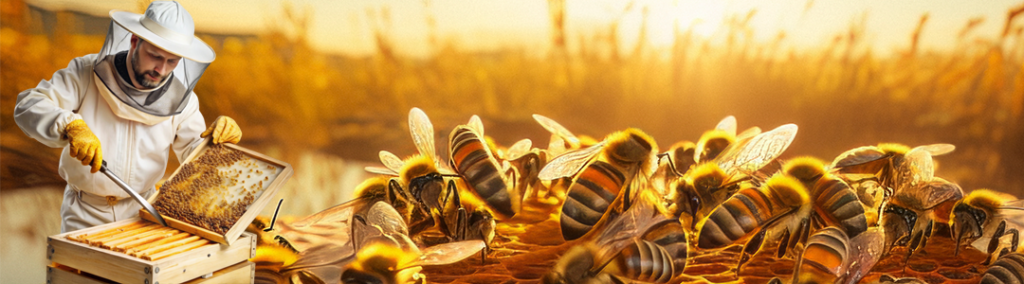
परिचय

भारत में मधुमक्खी पालन केवल शहद उत्पादन का साधन नहीं रहा — यह आज एक वैज्ञानिक, लाभकारी और पर्यावरण-अनुकूल व्यवसाय बन चुका है। आधुनिक तकनीकें, उपकरण और अनुसंधान ने पारंपरिक पद्धतियों को बदल दिया है।
2025 में अगर आप अपने शहद उत्पादन को बढ़ाना और कॉलोनी को स्वस्थ रखना चाहते हैं, तो “वैज्ञानिक मधुमक्खी पालन” की समझ और सही अभ्यास आवश्यक है।

इस में हम सीखेंगे —

  • वैज्ञानिक मधुमक्खी पालन क्या है,
  • इसके आधुनिक उपकरण और तकनीकें,
  • भारत में आने वाली चुनौतियाँ,
  • और 10 व्यावहारिक टिप्स जो हर बीकीपर को अपनाने चाहिए।

वैज्ञानिक मधुमक्खी पालन क्या है?

“वैज्ञानिक मधुमक्खी पालन” (Scientific Beekeeping) वह प्रक्रिया है जिसमें छत्ते के प्रबंधन, रानी मधुमक्खी चयन, परागण, रोग-नियंत्रण और उत्पादन की प्रत्येक गतिविधि डेटा, पर्यावरणीय स्थिति और व्यवहारिक अवलोकन पर आधारित होती है।

पारंपरिक बनाम वैज्ञानिक मधुमक्खी पालन

तुलनापारंपरिक तरीकावैज्ञानिक तरीका
अवलोकनअनुमान पर आधारितडेटा और निरीक्षण आधारित
प्रबंधनअनुभव से संचालितआधुनिक तकनीक व सेंसर से
उत्पादनअस्थिरनियंत्रित और स्थायी
लाभसीमितव्यावसायिक स्तर पर अधिक

वैज्ञानिक दृष्टिकोण अपनाने से न केवल उत्पादन बढ़ता है बल्कि कॉलोनी में बीमारियाँ भी कम होती हैं और रानी मधुमक्खी की सक्रियता अधिक समय तक बनी रहती है।

आधुनिक तकनीकें और उपकरण

1. स्मार्ट हाइव मॉनिटरिंग सिस्टम

  • तापमान, आर्द्रता और आवाज़ का रिकॉर्ड रखता है।
  • मोबाइल ऐप के ज़रिए आप कॉलोनी की स्थिति देख सकते हैं।
  • इससे छत्ते को बार-बार खोलने की ज़रूरत नहीं पड़ती (जो कॉलोनी के लिए तनावपूर्ण होता है)।

2. हाइव डिज़ाइन और मैटेरियल

  • 2025 में Langstroth और Top Bar हाइव सबसे लोकप्रिय हैं।
  • इन्हें स्थानीय मौसम और मधुमक्खी की प्रजाति के अनुसार चुनें।
  • लकड़ी का हाइव बेहतर इन्सुलेशन देता है, जबकि प्लास्टिक हाइव हल्के और टिकाऊ होते हैं।

3. रानी मधुमक्खी चयन (Queen Bee Breeding)

  • स्वस्थ और उत्पादक कॉलोनी की नींव “रानी मधुमक्खी” होती है।
  • हर 12–18 महीने में रानी को बदलना चाहिए ताकि उत्पादन स्थिर रहे।
  • चयन के दौरान अंडा उत्पादन, आक्रामकता और रोग-रोधक क्षमता पर ध्यान दें।

4. रोग और कीट प्रबंधन

  • Varroa Mite, Nosema जैसे परजीवी सबसे बड़ी चुनौती हैं।
  • जैव-उपचार जैसे थाइम, नीम तेल और चीनी-पानी ट्रैप उपयोग करें।
  • रासायनिक उपचार केवल विशेषज्ञ की सलाह पर ही करें।

भारत में आने वाली प्रमुख चुनौतियाँ और समाधान

चुनौती 1: मौसम और पर्यावरणीय बदलाव

  • तापमान में तेजी से बदलाव और बारिश के पैटर्न कॉलोनी पर असर डालते हैं।
  • समाधान: हाइव को छायादार, लेकिन वेंटिलेशन वाली जगह पर रखें।

चुनौती 2: रोग-संक्रमण और परजीवी

  • Varroa और Wax Moth से कॉलोनी कमजोर हो जाती है।
  • समाधान: नियमित निरीक्षण और रोग-प्रतिरोधी रानी का चयन करें।

चुनौती 3: प्रशिक्षण और जागरूकता की कमी

  • कई नए बीकीपर्स बिना वैज्ञानिक समझ के शुरू करते हैं।
  • समाधान: सरकारी और निजी संस्थाओं द्वारा दिए जा रहे ऑनलाइन प्रशिक्षण (जैसे BeekeepingIndia Online Course, NBB कार्यक्रम आदि) में भाग लें।

चुनौती 4: बाजार और मूल्य पारदर्शिता

  • शहद के भाव में अस्थिरता से किसान को नुकसान होता है।
  • समाधान: “हनी मार्केटप्लेस” जैसे ऑनलाइन प्लेटफ़ॉर्म से सीधे विक्रय करें और गुणवत्ता प्रमाणन प्राप्त करें।

2025 की नई प्रवृत्तियाँ (Trends in Beekeeping India 2025)

  1. सस्टेनेबल बीकीपिंग – बिना रासायनिक उपचार के कॉलोनी प्रबंधन।
  2. ऑर्गेनिक हनी प्रोडक्शन – उपभोक्ता अब प्राकृतिक शहद को प्राथमिकता दे रहे हैं।
  3. डिजिटल ट्रैकिंग और IoT हाइव्स – हाइव के अंदर का तापमान, आवाज़ और गतिविधि ट्रैक करना।
  4. कम हस्तक्षेप वाली रणनीति – छत्ते को बार-बार न खोलना और प्रवेश द्वार से अवलोकन।
  5. प्रशिक्षित बीकीपर्स की माँग – विशेषज्ञता-आधारित रोजगार अवसर बढ़ रहे हैं।

10 व्यावहारिक टिप्स हर बीकीपर के लिए

  1. छत्ता पूर्व या दक्षिण दिशा की ओर रखें ताकि पर्याप्त धूप मिले।
  2. छत्ते को बार-बार न खोलें — मधुमक्खियों को तनाव होता है।
  3. साफ-सुथरा और सूखा वातावरण बनाए रखें।
  4. रानी मधुमक्खी की स्थिति नियमित जांचें।
  5. ब्रूड पैटर्न देखकर कॉलोनी की सेहत पहचानें।
  6. हाइव के आसपास फूलों वाले पौधे लगाएँ।
  7. स्थानीय प्रजातियों की मधुमक्खियों से शुरुआत करें।
  8. उत्पादन, खर्च और रोग-रिकॉर्ड लिखें।
  9. अन्य बीकीपर्स से नेटवर्क बनाएँ और अनुभव साझा करें।
  10. शहद निकालने के बाद कॉलोनी को पर्याप्त भोजन दें।

निष्कर्ष

मधुमक्खी पालन एक कला और विज्ञान दोनों है।
यदि आप इसे वैज्ञानिक तरीके से अपनाते हैं, तो यह केवल शहद उत्पादन नहीं बल्कि आर्थिक स्वतंत्रता और पर्यावरण संतुलन का भी माध्यम बन सकता है।
2025 में जब बाजार तेजी से बढ़ रहा है, तो अब समय है अपने छत्तों को आधुनिक तकनीक, उचित देखभाल और सही जानकारी से लैस करने का।

Related Post

  • History of Bee Keeping

    The Beekeeping is an ancient art that has fascinated its devotees since earliest times. Honey robbed from wild colonies in trees & caves was early people’s main source of sweet food. Dominance of honey  the major sweetener continued until cane and beet sugar became generally available in comparatively recent times. Honey with its unique flavors and aromas and natural origin still has wide appeal. World production was estimated at 1,446 million pounds in 1976 and more than 1,415 million pounds in 1977. In the United States about 200,000 people keep almost 5 million colonies and produce 200 million to 250 million pounds of honey annually. Beekeepers can be classified as full-time, sideline, or hobbyist, with the number of colonies operated by individual owners varying from one…

  • छत्ते को कम खोलना और प्रवेश द्वार से देखना क्यों फायदेमंद है-Benefits of Less Opening the Beehive and Observing from the Entrance

    छत्ते को बार-बार खोलने की बजाय मधुमक्खियों को प्रवेश द्वार से देखना एक समझदारी और मधुमक्खी-हितैषी तरीका है। इसके कई फायदे हैं: 1. मधुमक्खियों पर कम तनाव: बार-बार छत्ता खोलने से मधुमक्खियां परेशान हो जाती हैं। उनके काम में रुकावट आती है। बाहर से देखने पर वे अपनी दिनचर्या में व्यवस्थित रहती हैं। 2. तापमान और नमी का संतुलन: छत्ते के अंदर का तापमान और नमी का संतुलन बहुत जरूरी होता है, खासकर बच्चों (ब्रूड) और शहद के लिए। बार-बार छत्ता खोलने से यह संतुलन बिगड़ सकता है, जिससे नुकसान हो सकता है। 3. बीमारियों का खतरा कम: बार-बार छत्ता खोलने से बीमारियां या कीट, जैसे वररोआ माइट्स, फैलने का खतरा बढ़ जाता है। कम छेड़छाड़ करने से यह जोखिम कम हो जाता है। 4….

  • Bee’s & Flower’s

    There are many types of flower’s in the nature for bee’s. Bee Keeper’s don’t know much about which types of flower’s were used by the bee’s to collect nectar & pollen. We only know little about the flower’s name & variety. In the forest bee’s goes for their food and visiting more then 2,000 flower’s a day in search of nectar & pollen. If we identify some flower’s to useful for them it will be very helpful for bee keeper’s. Bee keeper’s  migrate the bee’s from one place to another place to survival of bee’s and to collect bee products. Recognition of the site and requirements of the bee’s are useful for bee keeper’s. In the video given bellow you can understand about how to…

  • How to open and examine your hive

    You should always wear protective equipment when you work your hive. You should light your smoker before getting started. I have often been asked how I keep my smoker going out. Seems some people have smokers go out just about the time they need them. The key is to take time to get the smoker going before rushing off to the bees. There are many types of smoker fuel. I can remember learning how to build a fire as a boy scout. Start small and then add new material slowly to the fire. Don’t dump a lot of smoker fuel onto a newly started fire. You will smoother the fire and it will go out. The goal is to have a good cool flow of…

  • Export of Artificial Pollen from India

    Hi friends, We are a producers of good quality of Artificial Pollen from India. We export the pollen for feeding bees in the world. This facility is for the support of the Bee Keepers in the world to help them to feed bees in the dearth period. Bees are very needy during the dearth period to consume pollen to grow the generation. Bee’s collect the natural pollen from the flowers to feed the larva and baby bee’s in the colony. In the dearth period bee’s unable to find the pollen from the flower’s because of flowers don’t exist in the nature always. The result is slowing the growth of the bee’s. The queen stop egging because of the low food resource outside for the foragers….

  • Strange fact About Bee’s

    Honey-bees can navigate using the position of the sun, polarized light and landmarks. They can ‘tell’ other bees about the distance and bearing to sources of food using a well developed symbolic language based on movement and sound. They can also regulate the temperature of the nest to an exact degree using heating and cooling systems of immense complexity. As long as it has water and food, a colony placed on the sides of a volcano or iceberg will maintain its brood nest at 34º C (93º F). It is these facets of the honey-bee’s ability that have caused it to be one of the most researched insects on earth, and all countries maintain at least one institute devoted to bee research, and many universities…