Hello friends

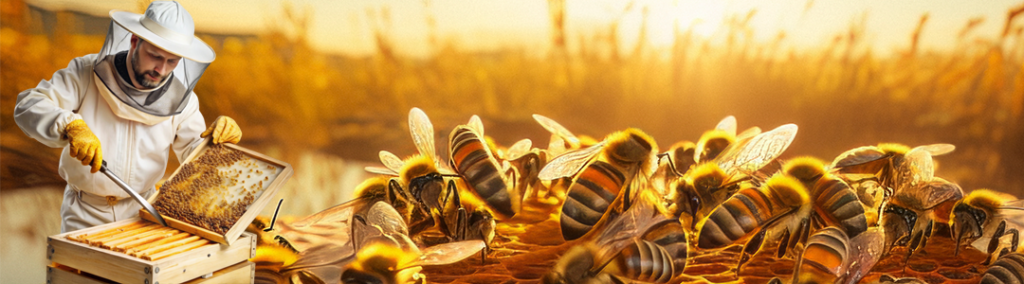
are you a beekeeper and the growth of your bees has stopped because your bees are not getting pollen. You will be happy to know that now you can also feed artificial pollen to bees. You will find artificial pollen to buy from our site.

Friends, bees get protein from pollen and carbohydrates from honey. When bees do not get all this from outside, they have to get artificial feeding done.

Most of the beekeepers get the feeding of sugar syrup done but are not able to get the feeding of pollen. Artificial pollen has been created to meet this shortcoming so that the bees can be fed in emergency and the growth of your bees can be done. to be saved from stopping. This is because once the bees have started growing, it is not possible to make them grow rapidly again.

You can buy pollen from us according to your need, how much pollen you need will depend on the number of your colony.

नमस्कार साथियों 

क्या आप मधुमक्खी पालक हैं और आपकी मधुमक्खियों की ग्रोथ रुक गई है क्योंकि आप की मधुमक्खियों को पोलन नहीं मिल रहा। आप को जानकार ख़ुशी होगी की अब आप मधुमक्खियों को कृत्रिम पोलन भी खिला सकते हैं। आप को हमारी साइट से खरीदने के लिए कृत्रिम पोलन मिल जायेगा।

साथियों मधुमक्खियों को पोलन से प्रोटीन एंड शहद से कार्बोहायड्रेट मिलता है। जब मधुमक्खियों को ये सब बाहर से नहीं मिलता तो उन्हें आर्टिफीसियल फीडिंग करवानी पड़ती है। ज्यादातर मधुमक्खी पालक शुगर सिरप की फीडिंग तो करवा देते हैं लेकिन पोलन की फीडिंग नहीं करवा पाते।

इसी कमी को पूरा करने के लिए ही आर्टिफीसियल पोलन का निर्माण किया गया है ताकि आपात काल में मधुमक्खियों को फीडिंग करवाई जा सके और आपकी मधुमक्खियों की वृद्धि को रुकने से बचाया जा सके। ऐसा इसलिए है क्योंकि एक बार मधुमक्खियों की वृद्धि काम होने के बाद उन्हें दोबारा से तेजी से बढ़ाना सम्भव नहीं हो पाता।

आप अपनी जरुरत के हिसाब से हमसे पोलन खरीद सकते हैं कितना पोलन चाहिए ये आपकी कॉलोनी की संख्या पर निर्भर करेगा।

How Bee’s attracted with feeding
Pollen Patty for feeding bee’s

Contact us to purchase Artificial Bee Pollen
 

Related Post

  • How to divide a New Bee Colony

     किसी मौजूदा कॉलोनी को कैसे विभाजित करें अपनी कॉलोनियों को बढ़ाने और डिवीजन बनाने के लिए मजबूत, उत्पादक और बिना रक्षात्मक कॉलोनी चुनें। शहद के मौसम के दौरान विभाजन करने से बचें क्योंकि यह उत्पादित होने वाले धन (शहद) की मात्रा को कम कर देगा। फूलों के मौसम की शुरुआत और चरम के बीच, मजबूत कॉलोनियां अचानक प्रवेश द्वार के पास मधुमक्खियों के समूहों और ड्रोन की संख्या बढ़ जाती है जिससे आपकी मजबूत कॉलोनी का पता चलता है इसलिए चेक करें की अगर कॉलोनी स्वार्म करने की तैयारी कर रही हैं तो वह डिवीज़न के लिए उपयुक्त समय है। जब शहद की मात्रा अधिक हो और मधुमक्खियां रानी मधुमक्खियों के सेल्स बनाने लगें तब ये सभी लक्षण हैं जब आपको डिवीज़न करना चाहिए।मधुमक्खियों का…

  • |

    वैज्ञानिक मधुमक्खी पालन

    वैज्ञानिक मधुमक्खी पालन मधुमक्खियों के प्रबंधन और देखभाल की एक ऐसी विधि है जो आधुनिक विज्ञान, अनुसंधान और प्रौद्योगिकी पर आधारित है। इसका उद्देश्य प्राकृतिक संसाधनों का सही उपयोग करके मधुमक्खियों की उत्पादकता को बढ़ाना और उनके स्वास्थ्य को बेहतर बनाना है। इसमें पारंपरिक मधुमक्खी पालन से अलग आधुनिक तकनीकों का उपयोग किया जाता है, जैसे: • मधुमक्खी के प्रकार का चयन: स्थानीय और उन्नत प्रजातियों का चुनाव ताकि बेहतर शहद उत्पादन और रोग प्रतिरोधक क्षमता सुनिश्चित हो। • हाइव मैनेजमेंट: आधुनिक लकड़ी के बॉक्स (Langstroth हाइव) का उपयोग किया जाता है, जो मधुमक्खियों को बेहतर सुरक्षा और आराम देता है। • रोग और कीट प्रबंधन: वैज्ञानिक तरीके से मधुमक्खियों में होने वाले रोगों (जैसे वरुआ माइट) और कीटों का प्रबंधन। • फूलों और पौधों…

  • |

    Beekeeping India – Empowering the Nation’s Beekeepers

    Beekeeping India – Empowering the Nation’s Beekeepers Beekeeping India – Empowering the Nation’s Beekeepers Beekeeping India is India’s premier hub dedicated to supporting beekeepers in their journey to produce, sell, and procure high-quality honey from across the country. Built with a mission to strengthen sustainable beekeeping practices, our platform connects producers and buyers—from hobbyists to commercial apiarists—through an intuitive, reliable, and community-driven web experience. Why Join Beekeeping India? Nationwide ReachOur platform connects honey producers and buyers from every corner of India—urban, rural, and forest zones—helping beekeepers find the best market for their product. Education & TrainingAccess both online and hands-on practical beekeeping training modules covering bee biology, hive management, health inspection, honey extraction, packaging, marketing, and more (beekeepingindia.in). Expert Solutions & InsightsA dedicated “Bee Keeper…

  • Wax Moth Cause & Prevention

    Bee Keepers facing many problems in the this field. The given bellow video is one of the best way to solve the problems of Wax Moth. We can easily get rid over the problem. Wax moth normally comes in the rainy season or in the off season. Week colony is the main problem of all disease you need to make your bee colony strongest possible. Post Views: 69

  • How to open and examine your hive

    You should always wear protective equipment when you work your hive. You should light your smoker before getting started. I have often been asked how I keep my smoker going out. Seems some people have smokers go out just about the time they need them. The key is to take time to get the smoker going before rushing off to the bees. There are many types of smoker fuel. I can remember learning how to build a fire as a boy scout. Start small and then add new material slowly to the fire. Don’t dump a lot of smoker fuel onto a newly started fire. You will smoother the fire and it will go out. The goal is to have a good cool flow of…

  • History of Bee Keeping

    The Beekeeping is an ancient art that has fascinated its devotees since earliest times. Honey robbed from wild colonies in trees & caves was early people’s main source of sweet food. Dominance of honey  the major sweetener continued until cane and beet sugar became generally available in comparatively recent times. Honey with its unique flavors and aromas and natural origin still has wide appeal. World production was estimated at 1,446 million pounds in 1976 and more than 1,415 million pounds in 1977. In the United States about 200,000 people keep almost 5 million colonies and produce 200 million to 250 million pounds of honey annually. Beekeepers can be classified as full-time, sideline, or hobbyist, with the number of colonies operated by individual owners varying from one…

4 Comments

Leave a Reply

Your email address will not be published. Required fields are marked *