
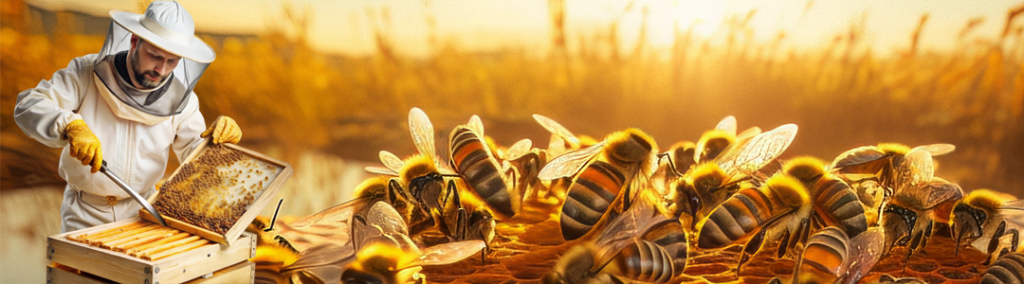

🌼 The Buzz About Bee Health
In recent years, beekeepers around the world have faced one overwhelming challenge: keeping their bees alive and thriving.
Between environmental stressors, pesticide exposure, and dwindling natural forage, honey bees are struggling to get the nutrients they need. That’s where innovative bee nutrition solutions step in — not just as supplements, but as lifelines for the future of beekeeping.
🍯 Why Nutrition Matters More Than Ever
Healthy bees require a balanced diet rich in protein, lipids, and micronutrients—primarily sourced from pollen. But with monoculture farming, climate change, and habitat loss reducing natural floral diversity, bees are often left hungry or malnourished.
Poor nutrition = weaker bees = higher colony loss.
It’s a simple equation with devastating consequences.
🧪 Pollen Substitutes: A Revolution in the Hive
Recent breakthroughs from Washington State University have led to the development of a new pollen-replacing food that can sustain bees indefinitely—even without access to natural pollen.
🔬 What Makes It Special?
- Rich in essential amino acids and vitamins
- Long shelf-life and easy to store
- Promotes brood development and immune health
- Reduces dependence on weather and seasonality
This isn’t just a “snack” for bees — it’s a balanced meal plan built for sustainability.
🐝 Drone Brood: From Hive Waste to Superfood
Another surprising innovation? Recycling drone brood into a flour-like protein patty.
Traditionally, drone brood is culled as part of Varroa mite control. Now, researchers are turning this waste into a high-protein, highly digestible pollen substitute. It’s circular, sustainable, and effective.
🌱 Benefits:
- Reduces hive waste
- High in protein and fat — ideal for larvae
- Encourages self-sufficient beekeeping operations
🚀 Feeding Innovation with Purpose
These nutrition solutions are more than just a scientific curiosity — they’re real-world answers to the global pollination crisis. By helping bees stay strong even in challenging environments, we’re giving beekeeping a chance to survive—and thrive—in the future.
📣 What Can Beekeepers Do Today?
- Try pollen substitutes early in spring and during dearths
- Experiment with drone brood patties if ethically and legally allowed
- Monitor colony health and nutrition closely
- Support research by collaborating with universities or extension services
🌍 A Better Future Starts with a Better Diet
Bees are resilient. With the right nutrition, they can weather stress, fight disease, and pollinate the world. These new solutions offer hope — not just for hives, but for ecosystems and food security around the globe.
Let’s feed the bees the way they feed us — generously, thoughtfully, and with care.


Finding a reliable source for the app was hard until I found this site. Installation was a breeze. Go to aajilidownload to get started.
As a huge fan of Latin American football leagues, this app has completely changed my weekends. The streaming is crystal clear and I never miss a single goal. They really know how to build a trustworthy space for fans who love placing smart wagers. Come play along with us at bbrbetmexicoapk
Finally found a site that doesn’t lag during peak hours. The interface is super intuitive and getting started was a breeze. Check out megawin777login if you want a smooth experience.
Finally found a site that doesn’t lag. The registration was a breeze and I started playing in minutes. Keep it up! phplus777link
Yes! Finally something about . xnxx
Finally a platform that understands what Asian players need. The login is secure and the customer support is actually helpful. Great job plus777asialogin.
The VIP treatment here is real. I feel valued as a player and the bonuses are actually worth it. Join 989betvip
Best slot experience I have had in the PH lately. The graphics are crisp and the wins feel genuine. Highly recommend jilipark22slot to all my gaming buddies.
Really loving the community vibe here. It is easy to navigate and the loading times are very fast. You should definitely visit pkgamespk14.
The customer support team is incredibly helpful and answered my questions instantly. It makes me feel safe playing here. Check out idasianwin88
The login process is super fast and I have not encountered any bugs so far. It is great to see a site that values user experience. Give bd66zzlogin a try.
Everything works perfectly on my browser. No crashes and the loading time is minimal. parkjililogin is a solid choice for any player.
Top notch entertainment and very fair odds. I’ve tried many sites but this one stands out the most in terms of quality. Go to pkca777 now.