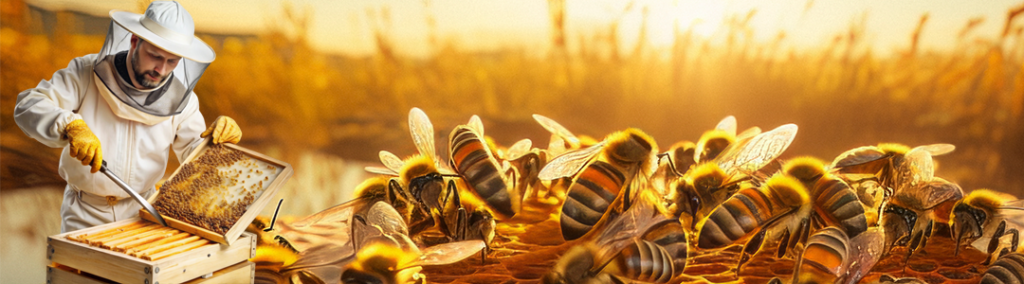
Bee Keepers facing many problems in the this field. The given bellow video is one of the best way to solve the problems of Wax Moth. We can easily get rid over the problem. Wax moth normally comes in the rainy season or in the off season. Week colony is the main problem of all disease you need to make your bee colony strongest possible.

Related Post

  • Bee Keeping in Urban Area

    Some may surprised to know why on earth beekeeper would keep bees in a city area. In fact some of best honey comes from city parks and garden and some areas richer in nectar than many areas of the crops countryside. There are main things to think about beekeeping in urban area is neighbours, neighbours and neighbours. If you want bees your neighbours don’t. The neighbours will be scared of bees because many peoples think that honey is produced by nice, bumble bees & so when they see your fast horrid little wasp like things around all over the place, they will not always be pleased or happy about it keep them happy by trying to adhere to the hive placements outlined below and always…

  • Winter Management of Bee’s

    Winter season is very tough season for the bee’s to survive. In the winter season bee’s are unable to go outside to collect food due to low temperature. In this situation bee keepers need to take care or their bee colony to survive them. Winter Management for Bee’s image-1 The main reason of bee’s not going outside is low temperature & not availability of sufficient flower’s to collect nectar & pollen outside their hive. Some technic to help them is available for bee keeper’s to help them. These technics are called as Winter Management Technic are given bellow Close the top cover with air proof not to entering the snow & cold air in to the hive. If your cover is loose and space between…

  • Robbing and its prevention

    लूटना और उसकी रोकथाम: लूटना अन्य कॉलोनियों से मधुमक्खियों द्वारा खाद्य भंडार की चोरी करना है। लूटने का क्या कारण है?  परीक्षा के दौरान लंबी अवधि के लिए कॉलोनियों का एक्सपोजर। चीनी की चाशनी या मधुमक्खी पालन के पास इसका रिसाव । कमजोर कॉलोनियों को लापरवाही से खिलाना लूटने के दौरान अधिक होता है कमजोर सीजन जब खेत में थोड़ा नेक्टर होता है। हम डाकू मधुमक्खियों की पहचान कैसे कर सकते हैं? गार्ड मधुमक्खियों के बार-बार हमले के कारण लुटेरे मधुमक्खियां चिकनी, चमकदार और गहरे रंग की हो जाती हैं। लूटने वाली मधुमक्खियां आमतौर पर छत्ते के प्रवेश द्वार पर साहसपूर्वक नहीं उतरती हैं और डर के साथ गार्ड मधुमक्खियों का सामना करती हैं। वे दरारों और दरारों के माध्यम से छत्ते में घुसने की…

  • वैज्ञानिक मधुमक्खी पालन 2025: आधुनिक तकनीकें, चुनौतियाँ और बेहतरीन टिप्स

    परिचय भारत में मधुमक्खी पालन केवल शहद उत्पादन का साधन नहीं रहा — यह आज एक वैज्ञानिक, लाभकारी और पर्यावरण-अनुकूल व्यवसाय बन चुका है। आधुनिक तकनीकें, उपकरण और अनुसंधान ने पारंपरिक पद्धतियों को बदल दिया है।2025 में अगर आप अपने शहद उत्पादन को बढ़ाना और कॉलोनी को स्वस्थ रखना चाहते हैं, तो “वैज्ञानिक मधुमक्खी पालन” की समझ और सही अभ्यास आवश्यक है। इस में हम सीखेंगे — वैज्ञानिक मधुमक्खी पालन क्या है? “वैज्ञानिक मधुमक्खी पालन” (Scientific Beekeeping) वह प्रक्रिया है जिसमें छत्ते के प्रबंधन, रानी मधुमक्खी चयन, परागण, रोग-नियंत्रण और उत्पादन की प्रत्येक गतिविधि डेटा, पर्यावरणीय स्थिति और व्यवहारिक अवलोकन पर आधारित होती है। पारंपरिक बनाम वैज्ञानिक मधुमक्खी पालन तुलना पारंपरिक तरीका वैज्ञानिक तरीका अवलोकन अनुमान पर आधारित डेटा और निरीक्षण आधारित प्रबंधन अनुभव से…

  • Bee’s & Flower’s

    There are many types of flower’s in the nature for bee’s. Bee Keeper’s don’t know much about which types of flower’s were used by the bee’s to collect nectar & pollen. We only know little about the flower’s name & variety. In the forest bee’s goes for their food and visiting more then 2,000 flower’s a day in search of nectar & pollen. If we identify some flower’s to useful for them it will be very helpful for bee keeper’s. Bee keeper’s  migrate the bee’s from one place to another place to survival of bee’s and to collect bee products. Recognition of the site and requirements of the bee’s are useful for bee keeper’s. In the video given bellow you can understand about how to…

  • History of Bee Keeping

    The Beekeeping is an ancient art that has fascinated its devotees since earliest times. Honey robbed from wild colonies in trees & caves was early people’s main source of sweet food. Dominance of honey  the major sweetener continued until cane and beet sugar became generally available in comparatively recent times. Honey with its unique flavors and aromas and natural origin still has wide appeal. World production was estimated at 1,446 million pounds in 1976 and more than 1,415 million pounds in 1977. In the United States about 200,000 people keep almost 5 million colonies and produce 200 million to 250 million pounds of honey annually. Beekeepers can be classified as full-time, sideline, or hobbyist, with the number of colonies operated by individual owners varying from one…

Leave a Reply